






Oral and maxillofacial surgery encompasses a broad range of procedures addressing the mouth, jaw, face, and related structures, and understanding what this specialty involves can make a significant difference in how prepared you feel before your first consultation. At TruForm Surgery in Brighton, MI, our board-certified oral and maxillofacial surgeons bring military-level precision and genuine compassion to every patient interaction. Whether you are researching tooth extractions, jaw joint treatment, or facial reconstruction, this guide is designed to give you an honest, thorough look at what oral and maxillofacial surgery involves, who it is right for, and what recovery typically looks like. Call us to schedule a conversation with our team.
What Oral and Maxillofacial Surgery Actually Covers
Many patients are surprised to learn how wide the scope of oral and maxillofacial surgery truly is. This specialty sits at the intersection of dentistry and medicine, addressing conditions that affect the hard and soft tissues of the face, mouth, and jaw. Oral and maxillofacial surgeons complete years of hospital-based surgical training beyond dental school, giving them a uniquely comprehensive foundation for complex cases.
Common Procedure Categories
Procedures within this specialty range from routine to highly specialized. Tooth extractions, including wisdom tooth removal, represent some of the most frequently performed oral surgery procedures. Patients with painful or impacted teeth often find that dental extractions performed by an experienced oral surgeon lead to a smoother recovery and more thorough assessment of surrounding bone and tissue than other settings can provide.
Jaw joint disorders are another major area. Conditions affecting the temporomandibular joint, commonly called the TMJ, can cause chronic pain, limited jaw movement, and difficulty chewing. Our team offers a full spectrum of TMJ treatment options in Brighton and Lansing, from conservative approaches to surgical interventions such as arthrocentesis surgery, cartilage disc repair and repositioning, and, when necessary, total jaw joint replacement.
Facial trauma is also a core area of the specialty. When injury affects the facial skeleton, prompt and skilled surgical care can help restore both function and appearance. Dr. Adam Edison is trained in facial trauma treatment across a range of injury types, drawing on the same clinical experience developed during years of service at Walter Reed National Military Medical Center.
How Oral and Maxillofacial Surgery Procedures Work: From Consultation to Recovery
Understanding the process from your first appointment through recovery can reduce anxiety and help you plan realistically. Every patient’s journey through oral and maxillofacial surgery is shaped by the specific procedure involved, their overall health, and the goals they bring to the consultation.
The Consultation
Your consultation is not simply a clinical intake. At TruForm Surgery, it is a genuine conversation. You will discuss your symptoms, concerns, and goals with a surgeon who takes time to explain your options without pressure. Imaging such as panoramic X-rays or CBCT scans may be reviewed to give your surgeon a precise view of your anatomy before any treatment is recommended.
Anesthesia and the Procedure Day
Oral and maxillofacial surgeons are uniquely trained in anesthesia administration, which means many procedures can be performed comfortably in an office setting. Depending on the complexity of your case, local anesthesia, IV sedation, or general anesthesia may be used. Your surgical team will discuss which approach is most appropriate for your specific procedure and comfort level.
What Recovery Typically Involves
Recovery timelines vary considerably depending on the procedure. A routine tooth extraction may involve a few days of rest and soft foods, while jaw joint surgery or facial reconstruction requires a more structured recovery period. Swelling, mild discomfort, and dietary modifications are common in the initial days following most oral surgery procedures. Your care team will provide detailed post-operative instructions and remain accessible with questions throughout your healing process. Individual results and recovery experiences may vary.
Because oral and maxillofacial surgery often intersects with cosmetic goals, some patients explore complementary services as part of their overall care. For patients interested in non-surgical options alongside or following their surgical treatment, TruForm also offers facial plastic surgery and a full med spa menu to support long-term results.
Oral and Maxillofacial Surgery and the Whole-Face Approach at TruForm
One of the most meaningful aspects of choosing a dual-specialty practice for oral and maxillofacial surgery is the ability to view your face as a whole system rather than a collection of isolated parts. At TruForm Surgery, our surgeons bring together expertise in jaw function, facial structure, and cosmetic outcome in a way that single-specialty practices often cannot.
For patients whose jaw issues have affected the appearance of their lower face, understanding what is functional versus what is aesthetic matters deeply. A surgeon who is also trained in facial cosmetic procedures can recognize when a structural correction may also improve facial harmony, and can discuss those options honestly without steering patients toward unnecessary treatment.
When Oral Surgery and Facial Aesthetics Overlap
Certain oral surgery procedures, particularly those involving the jaw and facial skeleton, can influence facial proportion and appearance. Patients who have experienced significant bone changes due to tooth loss, trauma, or joint disease may notice shifts in facial volume or contour. In these cases, a conversation about what oral surgery can and cannot address from an aesthetic standpoint is genuinely valuable, and our surgeons are well-positioned to have it. Learn more about our approach to facial trauma treatment and reconstruction.
Why Choose TruForm Surgery for Oral and Maxillofacial Surgery in Brighton, MI and Lansing, MI
TruForm Surgery offers something uncommon in this region: a husband-and-wife surgical team, both board-certified in oral and maxillofacial surgery, who trained and served together as commissioned officers at the rank of Major in the United States Army. Their residency at Walter Reed National Military Medical Center placed them among the most demanding surgical training environments in the country, where precision and accountability were not optional.
For patients throughout the Brighton, Howell, and Lansing areas, TruForm Surgery represents a genuinely different kind of care experience: one-on-one attention, a state-of-the-art facility, and a team that treats every patient the way they would want their own family treated. We invite you to come in and see the difference for yourself.
Frequently Asked Questions About Oral and Maxillofacial Surgery
How do I know if I need oral and maxillofacial surgery, or if a simpler dental procedure would be sufficient?
An oral and maxillofacial surgeon is the appropriate provider when a condition involves the jaw, facial bones, or complex soft tissue, or when anesthesia beyond local numbing is needed. Your general dentist may refer you, or you can schedule a consultation directly. Our team will give you a clear, honest assessment of what your situation actually requires before any treatment is discussed.
Is oral and maxillofacial surgery performed under general anesthesia?
Not always. Anesthesia depends on the procedure and your individual needs. Oral and maxillofacial surgeons are specifically trained in anesthesia administration, so they can safely offer local anesthesia, IV sedation, or general anesthesia in an office setting. During your consultation at TruForm Surgery, your surgeon will explain which option is most appropriate for your specific procedure and comfort level.
How long does recovery from jaw surgery typically take?
Recovery varies significantly based on the procedure. Simpler procedures may require only a few days of modified activity, while more involved jaw or joint surgeries may involve several weeks of healing. Swelling and dietary changes are common in the early stages. Your TruForm surgeon will outline a realistic recovery timeline for your specific case during your consultation. Individual recovery experiences may vary.
Can oral and maxillofacial surgery affect the appearance of my face?
Yes, in some cases it can, and this is something our surgeons are particularly well-positioned to discuss. Because our team is also trained in facial cosmetic surgery, they can provide informed perspective on how jaw or bone-related procedures may influence facial contour and symmetry. This integrated view is one of the advantages of choosing a dual-specialty practice like TruForm Surgery.
If you are researching oral and maxillofacial surgery in Brighton, MI, or Lansing, MI, and want to speak with a surgical team that combines military-trained precision with genuine, personalized care, TruForm Surgery is ready to help. Call our office to schedule your consultation, or contact us online to get started. We look forward to meeting you.

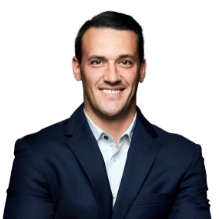
Dr. Eidson, a Grand Haven native, earned his undergraduate degree from Hope College before completing dental school at the University of Michigan, where he discovered his passion for oral surgery. He trained for five years in Philadelphia as an oral and maxillofacial surgeon, specializing in anesthesia, facial trauma, corrective jaw surgery, dental extractions, implants, and TMJ disorders. A former US Army Major, he treated soldiers with complex jaw and facial conditions. Now residing in Brighton with his wife and daughter, Dr. Eidson enjoys running, basketball, golf, and time with family.