






Understanding dental implant risks and safety: what every patient should know is one of the most important steps you can take before pursuing tooth replacement. Dental implants offer a long-term solution for missing teeth, but like any surgical procedure, they carry considerations that deserve an honest, thorough conversation. Whether you are in the early stages of research or preparing to schedule a consultation, this guide is designed to give you clear, balanced information rooted in clinical expertise. At TruForm Surgery, our team approaches every patient with the same commitment to transparency and personalized care that we would want for our own family.
Understanding the Most Common Risks Associated with Dental Implants
When patients begin researching dental implant risks and safety, they often encounter a wide range of information, some reassuring and some alarming. The truth lies somewhere in the middle. Dental implants have a well-established track record, but they are a surgical procedure, and that means real risks deserve real attention.
Infection at the Implant Site
One of the most frequently discussed risks is infection, which may occur around the implant site during healing. Proper oral hygiene and post-operative care are essential for minimizing this possibility. Your surgical team should provide detailed instructions for the days and weeks following your procedure.
Implant Failure and Osseointegration Concerns
Osseointegration, the process by which the implant fuses with the jawbone, is central to long-term success. When this process is incomplete, the implant may loosen or fail. Risk factors that may affect osseointegration include smoking, unmanaged diabetes, and insufficient bone density. At TruForm Surgery, our board-certified oral and maxillofacial surgeons evaluate each patient’s bone structure carefully before recommending implant placement. Patients who may not have adequate bone volume are often candidates for bone grafting prior to implant surgery, which can meaningfully improve long-term outcomes.
Nerve and Tissue Considerations
Temporary changes in sensation, such as numbness or tingling in the gums, lips, or chin, may occur following implant placement. These sensations often resolve as healing progresses, though patients should report any persistent changes to their provider promptly. Individual results may vary based on anatomy and surgical complexity.
Key Safety Factors That Influence Dental Implant Outcomes
A thorough understanding of dental implant risks and safety begins with recognizing the factors that most directly influence whether the procedure is likely to go well for a specific patient. Safety in implant dentistry is not a single standard applied to everyone; it is a personalized assessment built around your health history, anatomy, and goals.
Patient Health and Medical History
Certain medical conditions, including autoimmune disorders, blood-thinning medications, and active gum disease, may affect candidacy or require additional preparation before implant placement. A thorough review of your health history is a foundational part of any responsible consultation.
The Surgeon’s Training and Experience
The qualifications of your surgical provider matter significantly. Oral and maxillofacial surgeons complete years of hospital-based residency training specifically focused on surgical procedures of the mouth, jaw, and face. At TruForm Surgery, our surgeons completed their residencies at Walter Reed National Military Medical Center, one of the most respected surgical training programs in the country, and served as commissioned US Army officers at the rank of Major. That level of training shapes how our team approaches patient safety at every stage.
Pre-Surgical Evaluation and Imaging
Comprehensive imaging, such as cone beam CT scans, allows surgeons to assess bone volume, nerve positions, and sinus proximity before any incision is made. This planning phase is not optional; it is where safe outcomes begin. Patients who require preliminary procedures, such as tooth extractions, can often have those coordinated within the same practice, reducing the complexity of their overall care journey.
How to Have a Fully Informed Conversation with Your Surgeon
Knowing what questions to ask is an underappreciated part of dental implants risks and safety: what every patient should know. Informed patients tend to have better experiences, not because they worry less, but because they understand what to expect and when to seek guidance during recovery.
Questions Worth Asking Before You Commit
Consider asking your surgeon about their specific experience with implant placement, the estimated timeline for your case, how complications would be managed if they arose, and what success looks like for your anatomy. A provider who takes time to answer these questions thoroughly is demonstrating the kind of patient-centered philosophy that should characterize your care.
Recognizing Warning Signs During Recovery
After your procedure, some swelling and discomfort are expected and generally well-tolerated by most patients. However, persistent pain beyond the expected healing window, visible implant movement, or signs of infection such as fever or significant discharge should prompt a call to your surgical team. Our practice encourages patients to reach out at any point if something feels off.
The Role of Ongoing Maintenance
Dental implants require ongoing care to remain healthy over time. Regular dental check-ups, diligent brushing and flossing, and avoiding habits like smoking all contribute to long-term implant health. For patients who want to explore the full scope of oral surgical care available in one place, our dental procedures resource page offers a helpful overview of complementary services.
Why Choose TruForm Surgery in Brighton, MI?
Patients throughout Brighton, Howell, and the surrounding Livingston County area trust TruForm Surgery because of what Dr. Adam Edison brings to every consultation. Dr. Edison is a board-certified oral and maxillofacial surgeon whose military background, including residency training at Walter Reed National Military Medical Center and service as a US Army Major, reflects a commitment to precision and accountability that carries directly into patient care.
Frequently Asked Questions
Are dental implants safe for older adults?
Age alone is generally not a disqualifying factor for dental implants. What matters more is overall health, bone density, and the presence of any conditions that may affect healing. Many older adults are excellent candidates. A thorough evaluation with a board-certified oral and maxillofacial surgeon is the best way to determine whether implants may be appropriate for your individual situation. Individual results may vary.
How long does it take to recover from dental implant surgery?
Most patients experience the most noticeable discomfort and swelling in the first three to five days following surgery. Full osseointegration, the process of the implant fusing with the jawbone, typically takes several months. Your surgeon will provide a personalized recovery timeline based on the complexity of your case. Patients are encouraged to follow all post-operative instructions carefully to support healing.
What happens if a dental implant fails?
Implant failure is uncommon, but it can occur. Signs may include persistent pain, implant movement, or visible changes around the surgical site. If failure does occur, options may include removal, additional bone grafting, and replacement after adequate healing. Working with a surgeon who has extensive experience managing complex oral surgical cases, as our team does at TruForm Surgery, helps ensure that any complications are addressed promptly and thoughtfully.
How do I know if I am a good candidate for dental implants?
Candidacy depends on several factors, including the health of your gums, the density of your jawbone, your general medical history, and your commitment to post-operative care. The most reliable way to find out is through a comprehensive in-person consultation. Our team takes time to review your full health picture and discuss realistic expectations before any treatment is recommended. We believe that informed patients make the best decisions.
Schedule Your Consultation at TruForm Surgery
If you have been researching dental implants risks and safety and are ready to discuss your options with a qualified surgical team in Brighton, MI, TruForm Surgery is here to help. Our board-certified surgeons bring specialized training, military-honed precision, and a genuine commitment to personalized care. Call for details to schedule your one-on-one consultation and take the first step with a team that treats every patient like family.

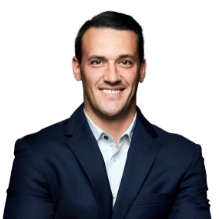
Dr. Eidson, a Grand Haven native, earned his undergraduate degree from Hope College before completing dental school at the University of Michigan, where he discovered his passion for oral surgery. He trained for five years in Philadelphia as an oral and maxillofacial surgeon, specializing in anesthesia, facial trauma, corrective jaw surgery, dental extractions, implants, and TMJ disorders. A former US Army Major, he treated soldiers with complex jaw and facial conditions. Now residing in Brighton with his wife and daughter, Dr. Eidson enjoys running, basketball, golf, and time with family.