






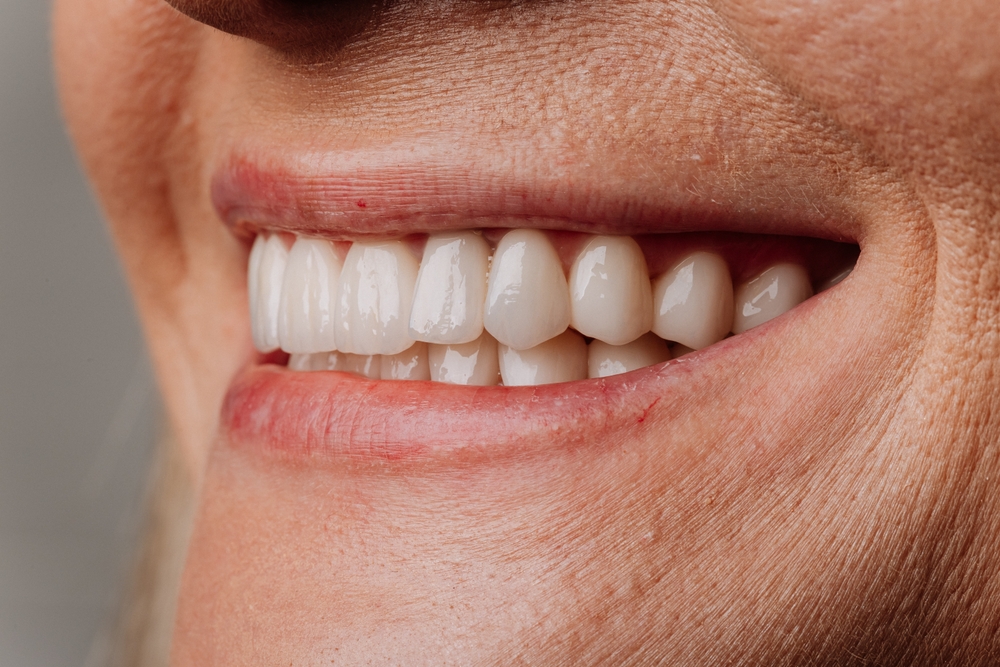
If you are exploring distinctive dental implants in Brighton, MI, you already understand that replacing missing teeth is about far more than appearance. Dental implants can help restore your ability to eat comfortably, speak with confidence, and maintain the structural integrity of your jaw over time. This guide covers how dental implants work, who may be a good candidate, what the process typically involves, and how to think about your options. Whether you are missing one tooth or several, understanding the fundamentals of distinctive dental care will help you have a more productive conversation with your provider. If you would like to discuss your situation with a specialist sooner, contact TruForm Surgery at (810) 202-8218.
What Makes Dental Implants Distinctive?
Not all tooth replacement services are the same. Distinctive dental implants differ from traditional approaches like bridges or dentures in one fundamental way: they replace the tooth root, not just the visible crown. A titanium post is surgically placed into the jawbone, where it gradually integrates with the surrounding bone in a process called osseointegration. This creates a stable foundation that may help preserve jawbone density over time, a benefit that removable dentures alone typically cannot provide.
Distinctive dental care in this area focuses on treatment that addresses your unique needs rather than applying a one-size-fits-all approach. A qualified provider will evaluate your bone volume, gum health, and overall oral health before recommending implants, ensuring the plan developed for you is grounded in your specific anatomy and goals.
Understanding Your Dental Health Before Treatment
Before any implant procedure begins, a thorough evaluation of your dental health is essential. This typically includes a clinical exam, a review of your medical history, and diagnostic X-rays or 3D imaging. X-rays allow your provider to assess the quantity and quality of available bone, identify any signs of gum disease, and determine optimal implant placement.
Gum disease is one of the most common reasons a patient may not be immediately ready for implants. Active gum disease can compromise the surrounding tissue and bone, reducing the likelihood of a successful outcome. In many cases, treating gum disease first is a necessary first step before moving forward with implant placement. Your dental team will also assess whether existing teeth show signs of decay or other concerns that should be addressed as part of a comprehensive treatment plan.
Optimal oral health going into the implant process gives patients the best foundation for a successful, lasting result. Your provider will be transparent about any preparatory care needed before placement can begin.
The Dental Implant Process: What Patients Can Expect
The implant process unfolds over several months for most patients, though timelines vary based on individual circumstances. Here is a general overview of what the journey typically involves.
Consultation and Planning
Your provider will review diagnostic x-rays, discuss your goals, and outline your personalized treatment plan. This is the time to ask questions about the number of implants needed, whether bone grafting may be required, and what the estimated timeline looks like.
Implant Placement
The surgical phase involves placing the titanium post into the jawbone. The procedure is typically performed under local anesthesia, and most patients report manageable discomfort during recovery. Individual recovery varies, and your provider will give you specific aftercare instructions to support healing.
Osseointegration
Over the following weeks to months, the implant fuses with the surrounding bone. This phase is critical to the long-term stability of the restoration. Patients are monitored carefully during this period to ensure healthy integration is occurring.
Restoration Placement
Once integration is confirmed, a custom crown, bridge, or implant-supported denture is attached to the implant. The goal is a restoration that blends seamlessly with your natural teeth, supporting a healthy smile that functions as comfortably as it looks.
Dental Care Beyond the Implant: Maintaining Your Results
Distinctive dental implants require the same dedicated care as your natural teeth. Routine cleanings, consistent home hygiene habits, and regular dental visits all contribute to the long-term wellness of your restoration. During cleanings, your team will inspect the implant site, assess the surrounding gum tissue, and take updated X-rays as needed to monitor bone levels.
Your overall health also plays a role. Conditions such as diabetes or habits like smoking can affect healing and long-term implant success. A compassionate provider will help you understand these factors and create a care plan that supports your well-being both inside and outside the dental office. Preventive care remains one of the most important services your dental team can offer, even after a successful implant procedure.
Implant Options: Crowns, Bridges, and Implant-Supported Dentures
Dental implants are versatile. Depending on how many teeth you are missing, your provider may recommend different restoration approaches. A single implant topped with a crown is common for replacing one missing tooth. Implant-supported bridges can address several adjacent missing teeth without relying on neighboring healthy teeth for support, which is an advantage over traditional bridges.
For patients missing most or all of their teeth, implant-supported dentures offer a stable, comfortable alternative to conventional removable dentures. These restorations attach securely to implants, reducing the movement and discomfort that removable options sometimes create. Discussing all available treatment options with a qualified provider will help you determine which approach best fits your anatomy, dental health goals, and lifestyle.
Why Choose TruForm Surgery in Brighton, MI?
At TruForm Surgery, Dr. Adam Eidson brings board-certified oral and maxillofacial surgery expertise to every patient who walks through the door. Trained at the University of Michigan and Temple University Hospital, Dr. Eidson served as a U.S. Army Major, treating complex jaw, dental, and trauma cases for hundreds of soldiers. That depth of surgical experience translates directly into the precise, detail-oriented care he provides to patients in Brighton and the surrounding communities of Howell, Hartland, and Pinckney.
TruForm Surgery was founded on a simple belief: every patient deserves the same level of care and attention that Dr. Adam and Dr. Brittany Eidson provided to the men and women they served in the military. The team is dedicated to creating a welcoming atmosphere where patients feel comfortable, informed, and genuinely supported. We strive to offer personalized, one-on-one care in a stress-free environment where your questions are always welcome, and your health always comes first.
Have questions beyond what this guide covers? Dr. Edison can provide personalized guidance based on your individual situation. Schedule a consultation online or call (810) 202-8218 to get started.
Frequently Asked Questions About Distinctive Dental Implants
How do I know if I am a good candidate for dental implants?
Candidacy depends on several factors, including bone density, gum health, and overall medical history. A thorough evaluation, including X-rays, will help your provider determine whether implants are appropriate or whether preparatory treatment is needed first. A consultation is the most reliable way to get an accurate answer for your specific situation.
What happens if I do not have enough bone for implants?
Patients with insufficient bone volume may be candidates for bone grafting prior to implant placement. This procedure helps rebuild the jawbone to support a stable implant. Your provider will discuss whether grafting is necessary and what the timeline would look like as part of your overall plan.
How long do dental implants typically last?
With consistent dental care, routine cleanings, and regular professional checkups, dental implants may provide long-term stability for many patients. Individual results vary based on factors such as oral hygiene, overall health, and lifestyle habits. Your provider will help you understand what to expect based on your specific situation.
Is the implant process covered by dental insurance?
Coverage varies significantly by plan. Some insurance policies may cover a portion of the procedure, while others may not include implants at all. We encourage patients to contact their insurance provider directly and discuss financing options during their consultation. Our team is happy to help you understand your options.
Can implants help if I currently wear dentures?
Yes. Implant-supported dentures are a well-established option for patients who find traditional removable dentures uncomfortable or unstable. They attach securely to implants placed in the jaw, which many patients find improves both function and confidence. Your provider can evaluate whether this approach suits your dental health and bone structure.
Are there any additional services that complement implant treatment?
Many patients also explore services such as teeth whitening or other cosmetic dentistry options once their restorations are in place. Your provider can help you achieve a cohesive, beautiful smile by coordinating implant care with any other treatments that align with your goals. A comprehensive approach to oral health and aesthetics often produces the most satisfying results.
Reach Out Today
If you are ready to take the first step toward restoring your smile with distinctive dental implants, TruForm Surgery is here to help. Our team serves Brighton, MI, and the surrounding communities with compassionate, expert care grounded in years of surgical experience. Contact us online at truformfaces.com or call (810) 202-8218 to schedule your personalized consultation today.

Dr. Eidson, a Grand Haven native, earned his undergraduate degree from Hope College before completing dental school at the University of Michigan, where he discovered his passion for oral surgery. He trained for five years in Philadelphia as an oral and maxillofacial surgeon, specializing in anesthesia, facial trauma, corrective jaw surgery, dental extractions, implants, and TMJ disorders. A former US Army Major, he treated soldiers with complex jaw and facial conditions. Now residing in Brighton with his wife and daughter, Dr. Eidson enjoys running, basketball, golf, and time with family.