





Bone Graft in Lansing, MI
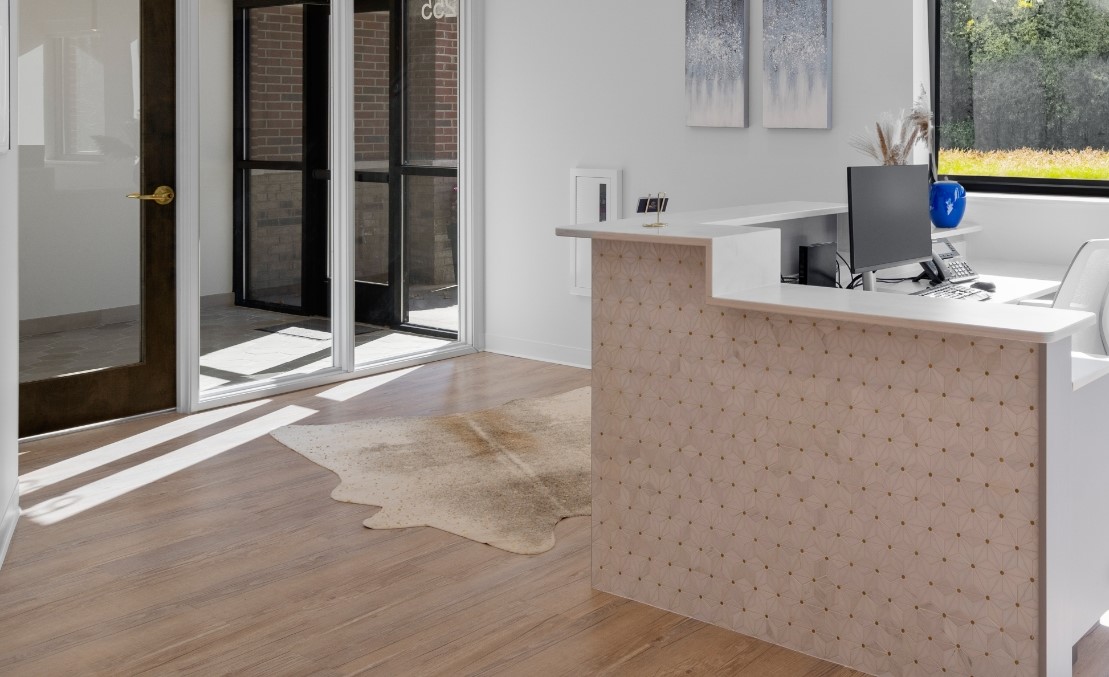
STATE OF THE ART FACILITY

Request appointment
Quick Links

If you are searching for bone graft in Lansing, MI, TruForm Surgery offers the specialized surgical expertise and personalized care that this procedure demands. A bone graft is a foundational oral and maxillofacial surgery procedure that may help restore lost or insufficient bone in the jaw, supporting long-term oral health and preparing the foundation for restorative treatments such as dental implants. At TruForm Surgery in Lansing, we serve patients from East Lansing, Howell, and throughout mid-Michigan who are looking for a skilled, compassionate surgical team they can trust.
What Is Bone Graft Surgery?
A bone graft is a surgical procedure in which bone tissue is placed in an area of the jaw where natural bone volume has been lost or is insufficient. Bone loss in the jaw may occur for several reasons, including tooth extraction, periodontal disease, facial trauma, or congenital conditions. Without adequate bone support, patients may not qualify for dental implants or other restorative procedures, and the structure of the face can change over time.
During a bone graft procedure, your surgeon uses donor bone material, which may come from your own body, a tissue bank, or a synthetic source, and places it at the treatment site. Over a healing period, the grafted material integrates with the existing bone in a process called osseointegration, gradually restoring volume and density. At TruForm Surgery, our approach to bone grafts is tailored to each patient’s anatomy and restorative goals, with no one-size-fits-all protocol.
Are You a Candidate for Bone Graft Surgery?
Patients who may benefit from a bone graft are often those who have experienced tooth loss, have recently undergone tooth extractions, or have been told they do not have sufficient bone density to support a dental implant. Bone grafting may also be appropriate following facial trauma, after treatment for jaw cysts or tumors, or as part of a broader facial reconstruction plan.
Good candidates are generally in stable overall health, do not have uncontrolled systemic conditions that could impair healing, and have realistic expectations about the recovery process and timeline. Patients who smoke may be counseled on how that habit can affect healing, as research suggests smoking may compromise bone integration outcomes.
The best way to determine whether a bone graft is right for you is through a one-on-one consultation. At TruForm Surgery, your consultation is a conversation, not a sales appointment. The team takes time to review your imaging, understand your goals, and explain every option available to you before any decisions are made.
The Bone Graft Process at TruForm Surgery
Understanding what to expect from start to finish can make the process feel far less uncertain. At TruForm Surgery, care is structured around clear communication and clinical precision at every stage.
Consultation
Your journey begins with a comprehensive consultation where Dr. Eidson or a member of the surgical team reviews your dental and medical history, takes 3D imaging or X-rays as needed, and discusses which type of bone graft material may be most appropriate for your situation. You will have the opportunity to ask questions and understand the full plan before moving forward.
The Procedure
Bone graft procedures are typically performed under local anesthesia with sedation options available, depending on the complexity of your case and your personal comfort level. The surgeon prepares the recipient site, places the graft material, and secures it in position. The area is then closed and allowed to begin the natural healing process. Procedure time varies based on the extent of grafting required.
Recovery
Most patients experience some swelling and tenderness in the days following surgery, which typically resolves within one to two weeks. Dietary modifications and careful oral hygiene practices are important during this period. Your care team will provide detailed post-operative instructions and remain available to support you through recovery.
Results and Next Steps
Bone integration typically takes several months, after which patients may be evaluated for the placement of dental implants or other restorative treatments. The pace of healing varies by individual, and your provider will monitor your progress with follow-up visits throughout the process.
Why Choose TruForm Surgery for Bone Graft in Lansing?
Choosing a surgeon for bone graft in Lansing, MI is a meaningful decision, and the credentials and experience behind your care genuinely matter. TruForm Surgery is led by a husband-and-wife team, both board-certified oral and maxillofacial surgeons who completed their residency training at Walter Reed National Military Medical Center, one of the most demanding and respected surgical training programs in the country. They served as commissioned officers at the rank of Major in the US Army, providing expert surgical care to hundreds of service members in high-stakes environments.
TruForm Surgery serves patients from Lansing, East Lansing, Howell, Brighton, and the surrounding mid-Michigan region. Our practice’s philosophy is rooted in treating every patient like family: personalized, attentive, and never rushed. If you are also exploring additional dental procedures or facial care, TruForm’s dual-specialty model means many of those needs can be addressed under one roof.
Results and What to Expect
Bone grafting is not an instant process, and the most important outcome, successful integration that supports long-term restoration, takes place gradually over several months. Most patients who complete the grafting and healing process may go on to receive dental implants or other restorative work that can meaningfully improve both function and appearance. Individual results may vary based on factors including overall health, the extent of bone loss, graft material used, and adherence to post-operative care. Your provider will set clear expectations during your consultation and monitor progress at each follow-up appointment.
Frequently Asked Questions About Bone Graft in Lansing, MI
How long does bone graft recovery take?
Most patients feel comfortable returning to normal daily activities within one to two weeks after surgery, though the bone integration process itself typically takes several months. Your surgeon will guide the timing of any next steps, such as implant placement, based on your healing progress. Patience during this phase is an important part of achieving a successful outcome.
What factors influence the cost of a bone graft procedure?
The cost of a bone graft depends on several variables, including the size and location of the treatment area, the type of graft material used, and the complexity of your individual case. Your consultation at TruForm Surgery will include a detailed discussion of anticipated costs. Financing options may be available; we encourage you to ask about this during your visit.
Will I need more than one bone graft procedure?
Most patients require a single bone graft procedure per treatment site, though more complex cases involving significant bone loss or multiple areas may involve a staged approach. Your surgeon will outline the full treatment plan during your consultation so you understand exactly what to expect before you begin.
Is a bone graft necessary before getting dental implants?
Not every patient requires a bone graft before dental implant placement, but those with insufficient bone density or volume may need grafting first to create a stable foundation for the implant. Your provider will evaluate your bone structure using imaging and recommend the appropriate sequence of treatment for your specific situation.
What makes TruForm Surgery different from other providers in the Lansing area?
TruForm Surgery offers a rare combination of military-trained, double-board certified surgical expertise alongside a genuinely personal, family-oriented approach to patient care. The husband-and-wife surgical team brings decades of combined experience across oral surgery, facial reconstruction, and facial cosmetic surgery, giving patients access to comprehensive, coordinated care in one practice.
Can a bone graft be combined with other oral or facial procedures?
In some cases, bone grafting may be coordinated with other oral surgery or facial trauma treatment as part of a broader restorative plan. Your surgeon will assess whether combining procedures is appropriate and safe given your health status and treatment goals. Every plan is developed with your overall well-being as the priority.
If you are ready to explore whether bone graft in Lansing, MI, is the right next step for your oral health and restorative goals, the team at TruForm Surgery is here to help you find answers. Call us to schedule your personal consultation with our board-certified surgical team. We look forward to welcoming you.

Dr. Eidson, a Grand Haven native, earned his undergraduate degree from Hope College before completing dental school at the University of Michigan, where he discovered his passion for oral surgery. He trained for five years in Philadelphia as an oral and maxillofacial surgeon, specializing in anesthesia, facial trauma, corrective jaw surgery, dental extractions, implants, and TMJ disorders. A former US Army Major, he treated soldiers with complex jaw and facial conditions. Now residing in Brighton with his wife and daughter, Dr. Eidson enjoys running, basketball, golf, and time with family.